The labelled pH refers to a temperature
Calling a buffer pH 7 or pH 10 does not mean its value is constant at every temperature. The catalogue contains separate products defined at 20 °C and 25 °C. Calibration should use the assigned value for the exact product at the measurement temperature.
For example, Scharlab’s table for SO20100250 gives pH 10.00 at 20 °C and 9.97 at 25 °C. Those values belong to that product and are not a universal correction for other pH 10 buffers.
Select calibration points for the sample range
pH 4, 7 and 10 buffers offer choices for different calibration ranges. Select points that fit the expected sample range, the instrument’s recognised buffer group, the electrode and laboratory procedure. Neither three points for every measurement nor one point for every situation is a universal requirement.
Understand the limits of temperature compensation
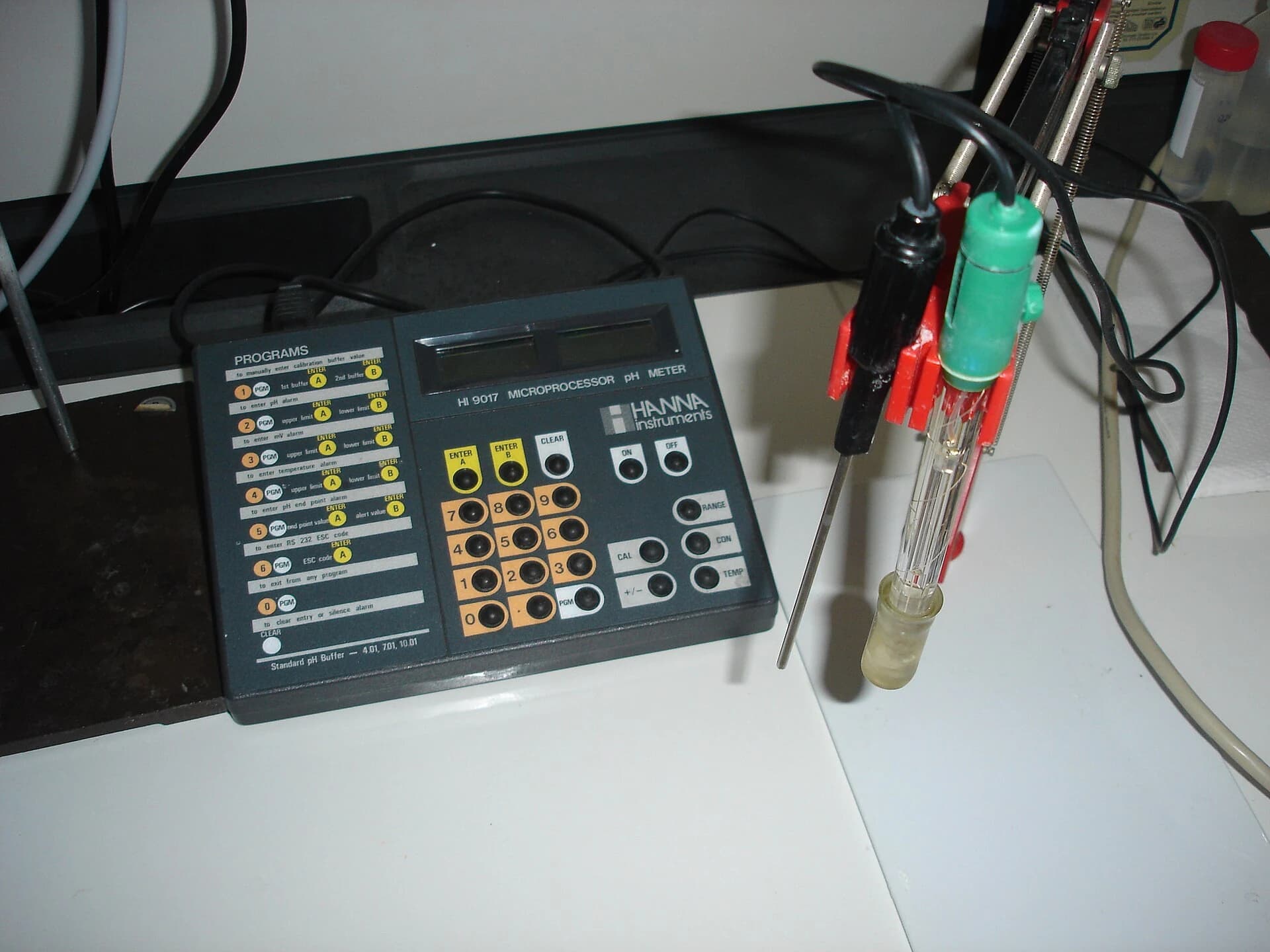
Instrument temperature compensation does not remove the chemical temperature dependence of a buffer or sample. It should not be assumed to convert every sample automatically to its true pH at 25 °C. Read the instrument instructions alongside the product’s temperature table.
- Check the correct buffer group and temperature table.
- Allow both measurement and temperature to stabilise before accepting a result.
- Evaluate calibration against the laboratory’s slope and deviation criteria.
Control the bottle and lot as well
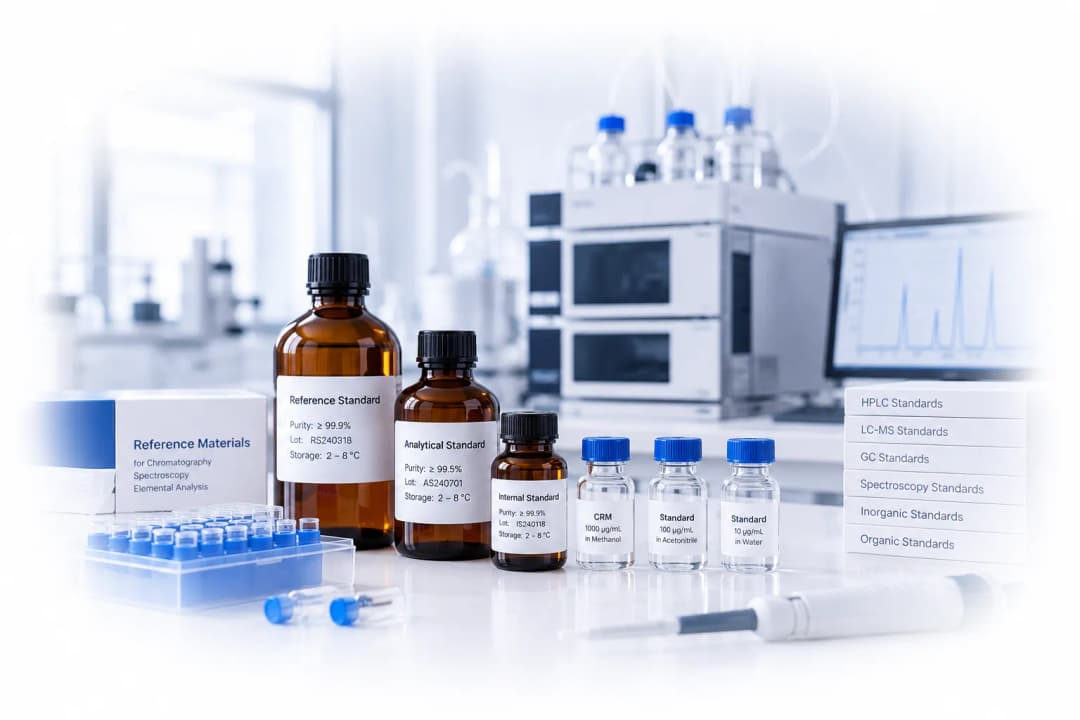
Buffer colour is not a substitute for product identity. Record code, lot, reference temperature and certificate matching, and follow opening-date and manufacturer use instructions. For a sourcing enquiry specify pH level, 20/25 °C reference, coloured or uncoloured preference, pack size and documentation requirements.
Sources
Primary and institutional sources consulted in preparing this article.
 Weltnexx Editorial TeamExpert content on European sourcing, laboratory products and technical documentation.
Image credit: Nuno Nogueira (Nmnogueira) · Source · CC BY-SA 2.5